Relocating From The City To Orange CT: Lifestyle And Housing
July 23, 2026
July 23, 2026
Thinking about trading city noise for more space? If Orange, Connecticut is on your radar, you are probably weighing a big lifestyle shift, not just a new address. The good news is that Orange offers a clear suburban identity, and understanding how it lives day to day can help you decide if it fits your next chapter. Let’s dive in.
Orange is a small suburban town in New Haven County with an estimated population of 14,416 as of July 1, 2025. It has a high owner-occupied housing rate of 89.2%, which helps explain why the town often feels stable and rooted rather than fast-moving or highly transient.
If you are coming from New York City or another urban area, that difference shows up quickly. Daily life in Orange tends to revolve more around driving, home life, and neighborhood routines than around walking to everything. The Census also reports a mean travel time to work of 27.5 minutes, which supports that more commuter-oriented suburban pattern.
Orange also reflects a long-term household profile. Census data shows 22.9% of residents are under 18 and 23.0% are 65 or older. That mix can appeal to buyers looking for an established community rather than a place dominated by short-term turnover.
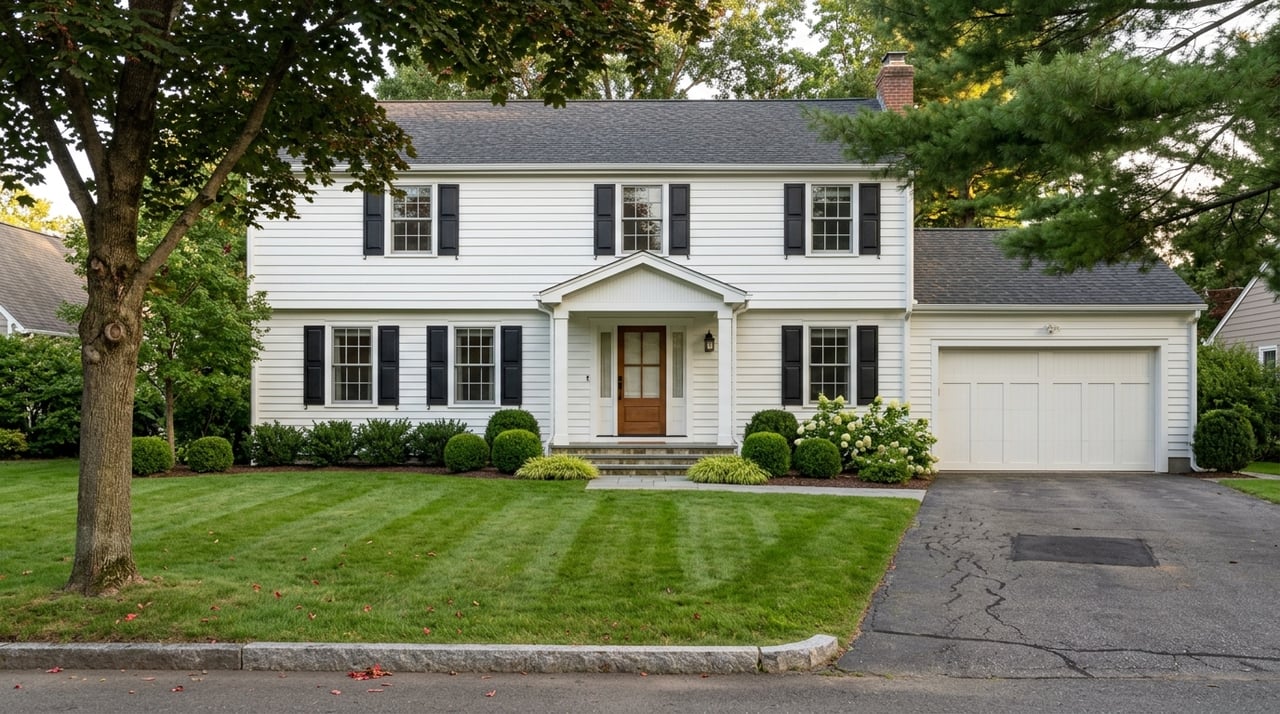
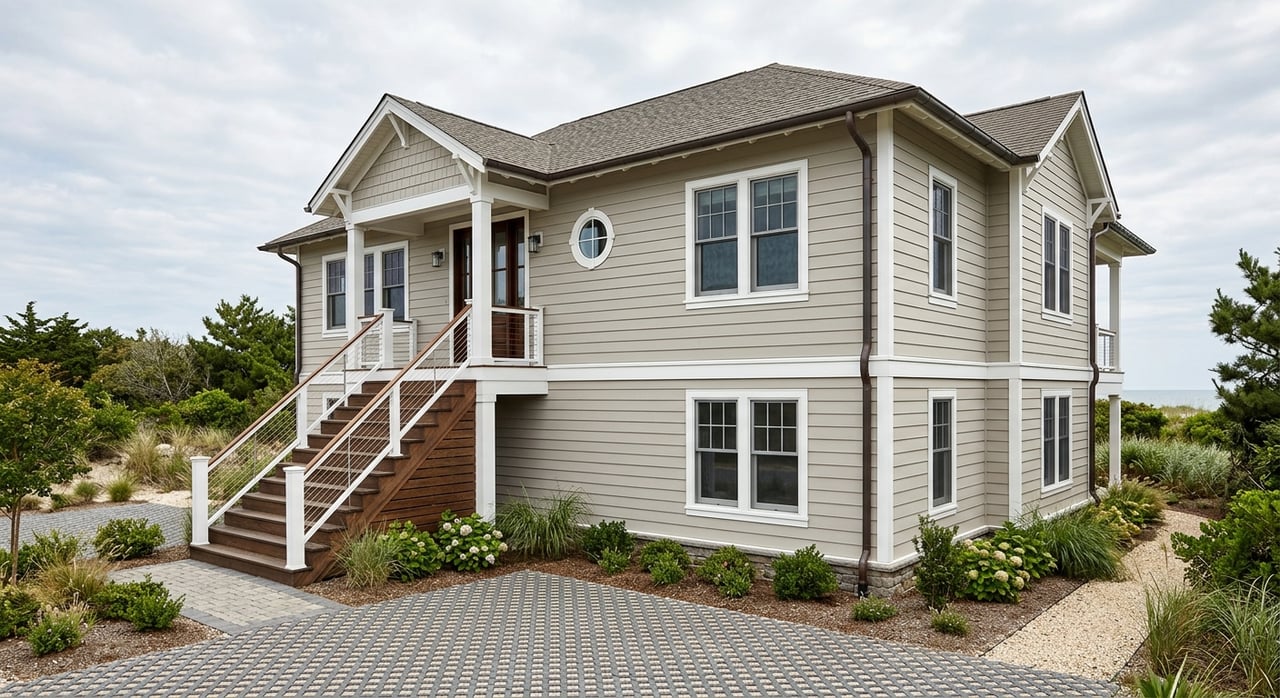
If your goal is more square footage, more yard space, and more privacy, Orange stands out. The town’s housing profile leans heavily toward detached single-family homes rather than condos or dense multifamily buildings.
Orange’s Affordable Housing Plan states that most owner-occupied homes were built before 1980, and 80% of owner-occupied units fall into that pre-1980 category. The same plan notes that 99.4% of residential properties built before 2000 were single-family homes.
That matters because it shapes both the look and feel of the market. Many homes in Orange reflect older suburban development patterns, with established lots, mature landscaping, and layouts that may differ from newer planned communities.
Current Census data reports a median owner-occupied home value of $491,500. For buyers relocating from the city, that number helps frame Orange as a suburban ownership market where home values reflect space, lot size, and a primarily single-family housing stock.
One of the biggest changes for city buyers is land. Orange’s zoning FAQ states that the minimum lot size required is 60,000 square feet, or about 1.38 acres.
That does not mean every home sits on exactly that lot size, but it does say a lot about the town’s character. Orange is built around a spacious residential pattern, not compact blocks or tightly packed streets.
For you, that can mean more privacy, larger yards, and a quieter setting. It can also mean more maintenance, more driving, and a very different day-to-day rhythm than city living. If you are looking for a walk-up apartment replacement, Orange may feel too spread out. If you want breathing room, it may feel like the point.
Because much of Orange’s housing was built before 1980, your home search may include properties with character and established curb appeal, but also homes that vary widely in updates. Two houses at similar price points can feel very different depending on renovation history, systems, and layout.
That is especially important for relocation buyers who are used to comparing newer condos or renovated city units. In Orange, you may need to look beyond finishes and think carefully about the full picture, including lot use, floor plan, storage, and long-term upkeep.
This is where local guidance matters. Understanding how to compare older single-family homes in a suburban Connecticut market can make your search much more efficient and much less stressful.
Orange offers a lifestyle that is shaped by open space, recreation, and community events. According to the town’s Conservation Commission, Orange has 1,000 acres of public open space.
The town also lists five nature trail sites that are open from dawn to dusk without permits. Parks and Recreation resources highlight amenities such as a pool, fitness center, athletic facilities, and trail maps.
If you are moving from a city, this is one of the clearest quality-of-life shifts. Instead of depending on density for activity, Orange offers room to spread out and local places to enjoy the outdoors.
The town also has recurring community events listed on its calendar and “Things to Do” pages, including the Orange Country Fair, Tractor Parade, and Memorial Day Parade. Those events help paint a picture of a town where community programming is part of local life.
Orange does have retail and service options, but they are not organized around a dense downtown. The town’s 2025 Plan of Conservation and Development says commercial activity is concentrated in corridors, especially along Boston Post Road.
The C-1 and C-2 districts there include retail, offices, restaurants, hotels, and places of worship. The plan also identifies key commercial areas such as the Orange Market area on Orange Center Road, Firelite Shopping Center, and Orange Commons Shopping Center.
For a city relocator, the practical takeaway is simple. You can access errands, dining, and services conveniently, but the experience is more drive-to than walk-to. That suburban convenience works well for many buyers, but it is important to know what kind of convenience Orange actually offers.
If school logistics are part of your move, Orange’s town website lists Orange Elementary Schools, Amity Middle School, and Amity Regional High School. The town’s annual report explains that Regional School District No. 5 serves grades 7 through 12 for Orange, Woodbridge, and Bethany.
For relocation planning, that structure is useful to know early. It helps you understand how grade levels are organized across the town and the broader regional district.
Commute expectations are one of the biggest factors for city-to-suburb buyers. Orange does not currently have its own operating commuter rail station.
CTDOT’s environmental-monitor archive states that the proposed Orange Railroad Station project was canceled in 2018 after the state determined it was not in a financial position to proceed. So if train access is central to your routine, it is important to understand that Orange is not a walk-to-train town.
For rail service, you would generally need to travel to a regional station first. Connecticut’s rail information says the New Haven Line runs from New Haven west to Grand Central Terminal in New York City, and the Stamford Transportation Center is also a major stop on that line.
That means Orange can work for buyers who are comfortable with a car-first routine and regional transit connections. It is less ideal for someone who wants train access built directly into everyday neighborhood life.
While Orange is not centered around commuter rail, it does have direct bus connections to New Haven. CTtransit Route 255 runs between Downtown New Haven and Seymour and includes the Orange Derby Shopping Center as a timepoint.
CTtransit Route 261 also serves the Boston Post Road corridor and shows Orange, the CT Post Mall, and New Haven Green or downtown transfer points on its route map. For buyers working in or visiting New Haven regularly, that is a useful part of the transportation picture.
Orange tends to fit buyers who want a quieter suburban pace, a predominantly single-family housing market, and more room inside and out. It can be especially appealing if your move is about gaining space, privacy, and access to open land while staying within reach of New Haven and the broader region.
It may be a less natural match if your top priority is a dense, walkable setting with easy train access from your neighborhood. Orange offers suburban convenience, but not urban immediacy.
That is why the best move is to match the town to your real day-to-day needs. If you are relocating from the city, the right question is not just “Is Orange nice?” It is “Does Orange support the way I actually want to live?”
Before you make a move to Orange, it helps to pressure-test your priorities.
Ask yourself:
These questions can bring clarity fast. Orange is not trying to be a city suburb with a dense downtown core. It offers something different, and for the right buyer, that difference is exactly the appeal.
If you are planning a move from the city to Orange, having a local team that can help you compare neighborhoods, housing styles, commute setups, and everyday lifestyle tradeoffs can make the process feel much more manageable. When you are ready to talk through your move, connect with The Hill Team.
Stay up to date on the latest real estate trends.
Choosing the right real estate team makes all the difference. We combine in-depth market knowledge, strategic marketing, skilled negotiation, and personalized service to ensure every client experiences a seamless and successful journey from consultation to closing. Your goals become our mission, and we work relentlessly to exceed expectations at every stage.