Buying a Beach Home in Milford CT: What to Know
July 9, 2026
July 9, 2026
If you’re dreaming about a home near the water in Milford, it’s easy to focus on the view first. But beach-area living here comes with a very real set of tradeoffs, from flood risk and insurance to parking rules and shoreline access. If you understand those details before you buy, you can make a much more confident decision about whether a beach-area home fits your lifestyle and budget. Let’s dive in.
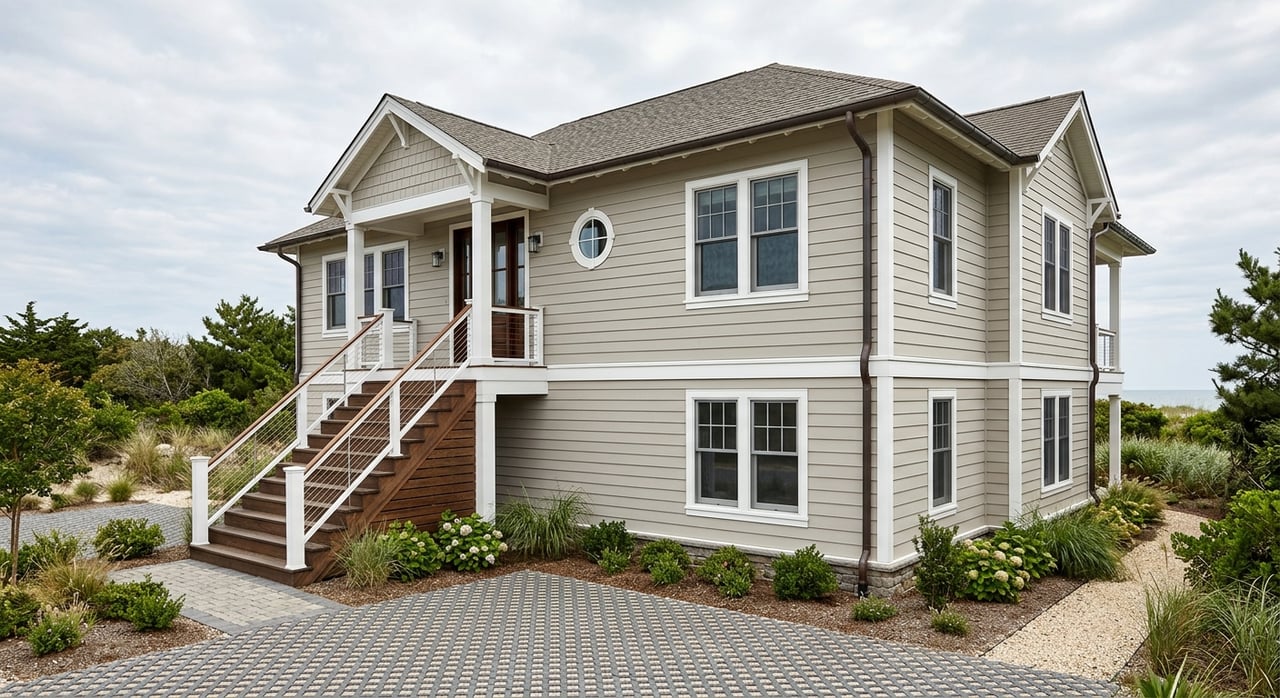
In Milford, buying near the beach is about more than being close to the shoreline. It often means buying into a seasonal lifestyle shaped by public beaches, boardwalk activity, weather patterns, and city rules that can affect daily convenience.
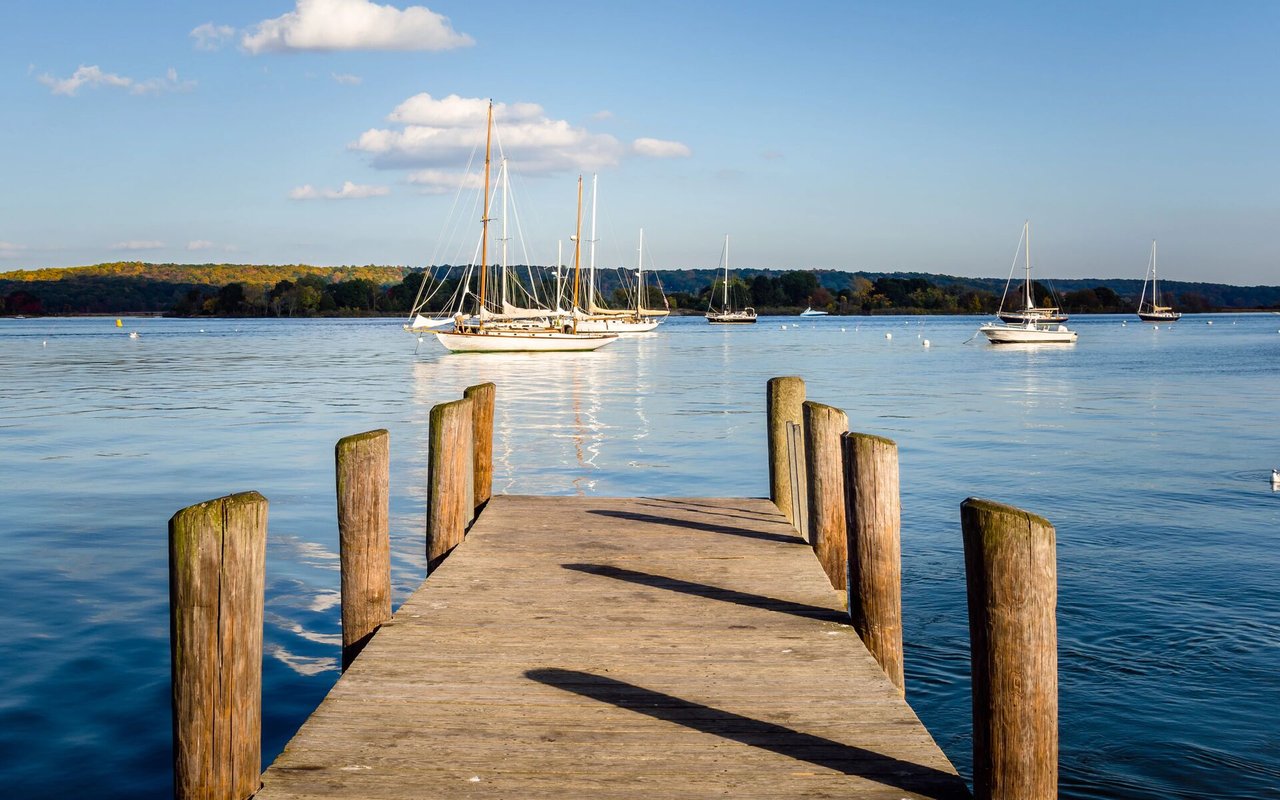
Milford’s shoreline highlights include Walnut Beach, Gulf Beach, Anchor Beach in Woodmont, and nearby Silver Sands State Park. Walnut Beach stands out for its sand beach, fishing pier, picnic areas, restrooms, shade, and one of Connecticut’s longest boardwalks. That kind of setting can be a major draw if you want a home that feels connected to the coast.
Silver Sands State Park adds another layer to the lifestyle. The park is open daily from 8:00 a.m. to sunset and includes a three-quarter-mile boardwalk. The state also notes that the sandbar to Charles Island overwashes twice daily and can create dangerous currents and undertow, so shoreline living here comes with real tide awareness, not just scenic views.
Beach-area neighborhoods can feel very different depending on the season. Summer brings the most activity, the most beach use, and the biggest test of how practical parking and access really are for you.
Milford’s Health Department monitors local bathing beaches weekly from Memorial Day through Labor Day. The city also notes that beach conditions can change quickly after heavy rainfall because runoff may carry bacteria or other contaminants into Long Island Sound. If beach use is a major reason you want to buy near the water, it helps to understand that advisories are part of real shoreline living.
Flooding is one of the biggest issues to understand before you make an offer. Milford says flood zones cover about one-third of the city and identifies flooding as its primary natural hazard.
That does not mean every beach-area home carries the same level of risk. It does mean you should treat flood-zone review as an early step, not something to look at after you fall in love with a property.
Milford also requires elevation certificates for new buildings and substantial improvements in the Special Flood Hazard Area. For buyers, that makes elevation data and official flood mapping important parts of due diligence, especially for shoreline and near-shore homes.
Connecticut’s Insurance Department says homeowners and renters insurance do not cover flood damage. It also notes that even one inch of flooding can cause more than $25,000 in damage, and that 25% to 40% of flood losses occur outside designated flood zones.
That matters because some buyers assume a home is safe from flood concerns if it sits slightly inland. In reality, you want to ask about the flood zone, prior documentation, drainage, and insurance costs together, rather than relying on the address alone.
Flood insurance is a separate conversation from homeowners insurance. In Connecticut, buyers in a high-risk flood zone with a government-backed mortgage are required to have flood insurance.
There is also a timing issue many buyers miss. The Connecticut Insurance Department says the National Flood Insurance Program generally has a 30-day waiting period before a new policy takes effect. If a property needs flood insurance, that is something you want to discuss early with your lender and insurance provider so it does not create last-minute stress.
Milford’s flood-safety page also notes that flood risk depends on current weather patterns, environmental change, and recent development, not just whether the property has flooded before. That makes current documentation and present-day risk more useful than casual neighborhood stories about the past.
One of the most practical issues for Milford beach-area buyers is parking. From May 1 to September 30, Gulf Beach and Walnut Beach require either a resident parking sticker or payment of posted nonresident rates.
The city’s FAQ says nonresidents can pay $40 per day or buy a $250 seasonal permit, while resident annual stickers are valid from January 1 through December 31 and are tied to current vehicle registration and taxes being up to date. The city also notes that prices are subject to change.
If you are buying near the beach, do not assume your daily routine will feel effortless just because the shoreline is close by. It is smart to verify how resident parking works, where the nearest lots are, and whether beach use during peak season will feel convenient for your household.
Connecticut makes a key distinction that surprises some buyers. The public may freely use lands and waters waterward of the mean high-water line, including for walking along the beach.
That means owning a beachfront or beach-area home does not necessarily mean exclusive control of the shoreline in front of it. For some buyers, that is no issue at all. For others, it is an important expectation-setting point when comparing a shoreline property with a more private-feeling inland home.
Near-water homes often require a different maintenance mindset. Connecticut DEEP is clear that living on the shore means dealing with occasional, and sometimes severe, erosion and flooding.
The agency also says the best and cheapest way to protect a newly built structure is to place it a safe distance from the water. For buyers, the takeaway is simple: lot elevation, drainage, and the condition of any existing protective features deserve close attention.
If a property has a dock, seawall, bulkhead, fill, or any work in tidal wetlands, permit history matters. DEEP says work in tidal wetlands or waterward of the coastal jurisdiction line requires authorization, and maintenance or repair may need specific approval even when a structure already exists.
Shoreline maintenance is not only about siding, roofing, and storm prep. DEEP also advises coastal property owners to maintain vegetated buffers and reduce pesticide and fertilizer use.
That means your outdoor maintenance plan may need to account for drainage, runoff, and sensitivity around nearby tidal areas. It is one more reason to look at a beach-area home as a long-term stewardship decision, not just a lifestyle purchase.
Milford beach-area homes can have strong lifestyle appeal. Boardwalk access, fishing access, nearby public beaches, and a recognizable shoreline identity can all support buyer interest later on.
Walnut Beach, in particular, has a distinct setting. Milford describes it as a neighborhood with a comeback story and an artists’ community identity, which can add to the area’s sense of place for buyers who want a shoreline neighborhood feel.
Still, the best resale stories usually combine lifestyle with practicality. A home may be more compelling when it also offers manageable parking, clear flood documentation, and properly permitted shoreline features if those features exist.
For many buyers, the real decision is not just which house to buy. It is whether you want inland simplicity or shoreline lifestyle.
Inland homes generally avoid some of the extra layers that come with near-water ownership, such as beach parking rules, shoreline access questions, and added flood-insurance or permitting complexity. Beach-area homes, on the other hand, can offer the walkable coastal setting and public-amenity access that many buyers specifically want in Milford.
Neither option is automatically better. The right fit depends on how much value you place on being close to the water and how comfortable you are with the added homework that can come with that choice.
Before you move forward on a Milford beach-area home, it helps to ask direct questions early. That can save you time, money, and surprises during the contract period.
Here are a few smart pre-offer questions to keep in mind:
When you ask these questions upfront, you put yourself in a stronger position to compare properties clearly. That kind of clarity is especially important in a market like Milford, where a home’s coastal appeal and its practical realities often go hand in hand.
If you’re weighing a beach-area home in Milford, the goal is not to avoid shoreline property. It’s to go in with your eyes open. With the right guidance and careful due diligence, you can decide whether the benefits of near-water living truly match the responsibilities that come with it.
If you want local, steady guidance as you compare inland and shoreline options in Milford, The Hill Team can help you evaluate the details and move forward with confidence.
Stay up to date on the latest real estate trends.


Choosing the right real estate team makes all the difference. We combine in-depth market knowledge, strategic marketing, skilled negotiation, and personalized service to ensure every client experiences a seamless and successful journey from consultation to closing. Your goals become our mission, and we work relentlessly to exceed expectations at every stage.