
In West Haven, Assessed Value Went Up. Your Tax Bill Is a Different Question.
September 17, 2026
September 17, 2026
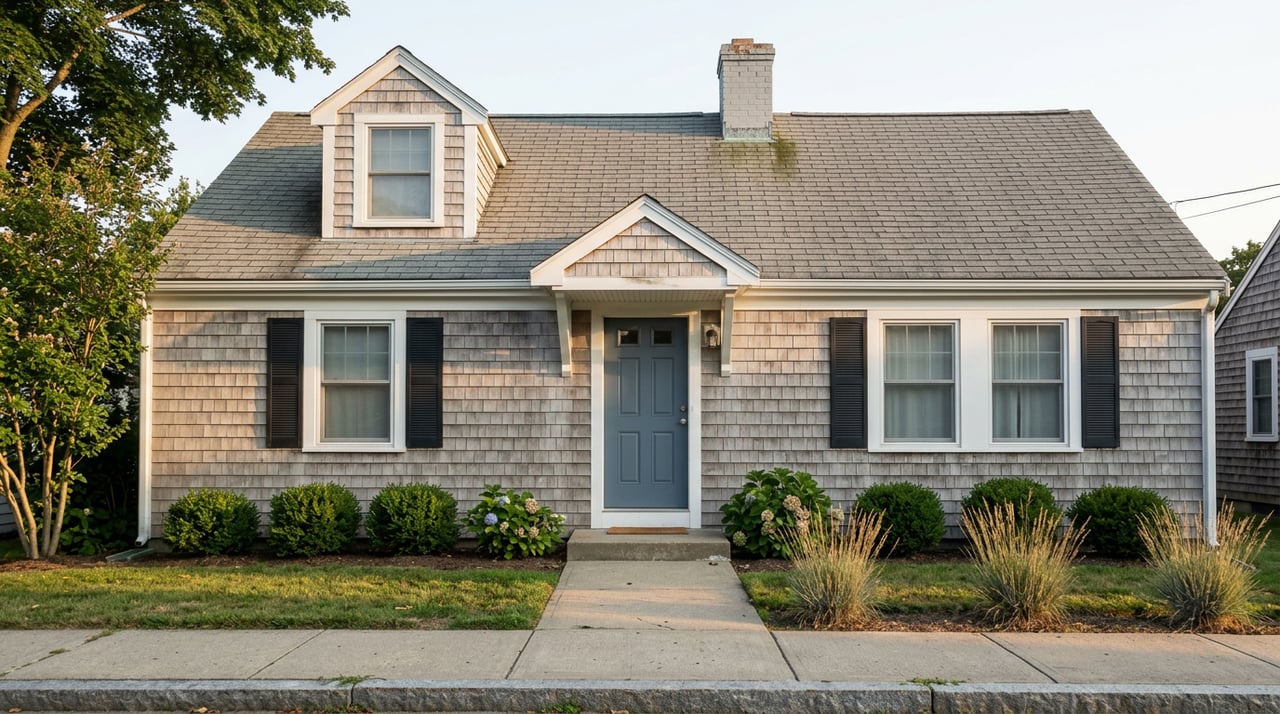
Picture two capes in West Haven, both listed this fall at $360,000, both assessed at roughly the same value after the city's 2024 revaluation. A buyer comparing the two on a portal sees nearly identical estimated tax lines and assumes the choice comes down to layout and curb appeal. It doesn't. One of those homes sits inside the Allingtown fire district. The other doesn't. By the time the tax bill lands, the two owners are paying different amounts for houses that look, on paper, the same.
That gap is not a glitch. It's how West Haven's tax system actually works, and it's the piece almost nobody explains before a buyer signs anything.
When West Haven completed its five-year revaluation, property values rose across every city council district the assessor's office surveyed. Homes that had been assessed between $100,000 and $200,000 back in 2023 came back assessed above $200,000, a pattern confirmed across the 1st, 2nd, 7th, and 8th districts. Residents who watched their assessed value jump by tens of thousands of dollars did what most people do: they assumed their tax bill was about to jump by the same proportion.
Mayor Dorinda Borer moved quickly to head off that assumption, telling residents the city intended "to adjust and lower the mill rate in this upcoming budget cycle" to offset the higher assessments. That's not political spin. It's how Connecticut's property tax formula is built. Your bill isn't your assessed value. It's your assessed value multiplied by the mill rate the city sets that year, divided by a thousand. Change either number and the bill moves. West Haven changed both, in opposite directions, in the same two-year window.
Here's the part that surprises people who haven't been tracking West Haven's finances closely: the city's mill rate didn't creep up to match the higher assessments. It dropped, and dropped substantially.
| Fiscal Year | City Mill Rate |
|---|---|
| FY2024 | 36.57 |
| FY2025-26 | 25.58 |
That's an eleven-point drop in the base rate over two budget cycles, according to figures published by the city and confirmed in coverage of the May 1, 2025 City Council budget vote. On a home assessed at $200,000, the difference between a 36.57 mill rate and a 25.58 mill rate is roughly $2,200 a year. A higher assessed value paired with a lower mill rate can leave a homeowner's actual bill close to flat, or even lower, than what the assessment jump alone would suggest.
This is the number a buyer needs before touring, not after closing. An "estimated taxes" figure on a listing that was pulled from an old bill, calculated against the prior 36.57 rate, will overstate what the home actually costs to hold in 2026.
The mill rate is only half the math. West Haven runs three independent fire districts inside city limits, and each one levies its own separate tax on top of the base city rate. If a home falls inside a fire district's boundary, the owner pays the city rate plus that district's rate. If it doesn't, they don't.
The Allingtown Fire Department is the clearest example with public numbers attached. For fiscal 2025-26, the City Council set Allingtown's fire mill rate at 8.43 mills, with an additional 3.00 mill motor vehicle rate, funding a departmental budget of roughly $9.7 million. West Shore Fire District, based on Ocean Avenue, is a separate taxing authority entirely, with its own levy. Independent analysis of Connecticut mill rates has put the range across West Haven's three fire districts somewhere between 7.29 and 8.95 mills, layered on top of whatever the base city rate happens to be that year.
Two homes at the same price, same assessed value, same city mill rate, can still land on different total tax bills purely because one sits inside a fire district boundary and the other doesn't. No portal estimate captures that. The only way to know is to ask which fire district serves a specific address, and that's a question worth asking before an offer, not after.
The mill rate drop isn't happening in isolation. It's the tail end of a longer story about West Haven digging out of a financial hole.
The city landed under the state's Municipal Accountability Review Board in late 2017 after running an $18 million deficit, the kind of shortfall that triggers the most intensive tier of state oversight. Things got worse before they got better. In 2021, a former city employee and state representative was arrested for stealing more than $1 million in federal pandemic relief funds, exposing gaps in the city's purchasing controls that took years to close.
Mayor Borer, who was a state representative when that oversight began, spent her first term rebuilding the finance department from the ground up, hiring a finance director, internal auditor, payroll manager, and risk manager, and putting new bank reconciliation and audit trail procedures in place. It worked. On May 15, 2025, the MARB voted unanimously to release West Haven from oversight after nearly eight years, citing clean audits, a positive fund balance, and an investment-grade bond rating.
That matters for anyone weighing a long-term purchase in West Haven, not because it changes this year's bill, but because a city that just proved it can run a stable budget without a state minder is a city with more room to hold its mill rate steady going forward. The most recent signal backs that up. Heading into the current fiscal year, the city announced no increase to its tax rate and moved real estate and sewer collections back to the standard two-installment schedule, reversing the temporary quarterly payment plan the council had tried the year before.
A few habits will save you from the surprise these numbers cause other buyers.
None of this is a reason to avoid a neighborhood. It's a reason to ask a more specific question than "what are the taxes," because in West Haven right now, that question has more than one right answer depending on the exact address.
Does a higher assessment always mean a higher tax bill? Not on its own. The bill depends on the assessed value and the mill rate together, and West Haven's mill rate has moved in the opposite direction from assessed values over the past two budget cycles.
How do I find out which fire district a home sits in? The city's fire departments and each independent district publish their own boundaries and rates, and the assessor's office can confirm which taxing authorities apply to a specific parcel before you make an offer.
If you're weighing a West Haven purchase this fall and want the real number for a specific address, not a portal estimate, The Hill Team can walk you through what a property will actually cost to hold, fire district and all. Reach out for a free home valuation and a clear-eyed read on the math before you write an offer.
Stay up to date on the latest real estate trends.




Choosing the right real estate team makes all the difference. We combine in-depth market knowledge, strategic marketing, skilled negotiation, and personalized service to ensure every client experiences a seamless and successful journey from consultation to closing. Your goals become our mission, and we work relentlessly to exceed expectations at every stage.