A Guide to West Haven CT Shoreline Living & Neighborhoods
April 16, 2026
April 16, 2026
If you are trying to figure out where West Haven might fit into your home search, the answer often comes down to one thing: what kind of daily lifestyle do you want? West Haven gives you a rare mix of public shoreline access, a compact downtown core, and neighborhood pockets that each feel a little different. If you want a clearer picture of how the city is laid out and what makes each area distinct, this guide will walk you through it. Let’s dive in.
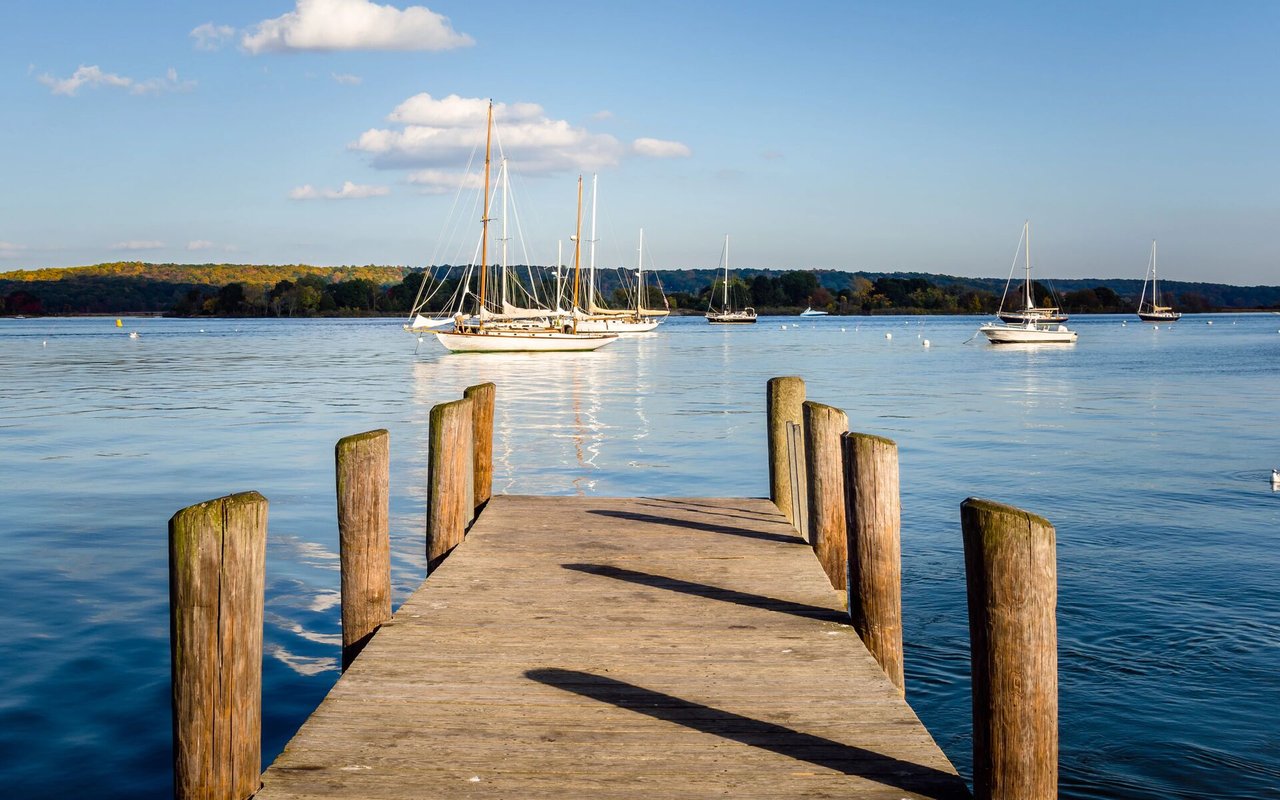
West Haven sits on Long Island Sound just west of New Haven, and the city’s identity is closely tied to the water. According to the City of West Haven points of interest materials, it has Connecticut’s longest stretch of publicly accessible shoreline, with about 3 miles of beach and a 1.7-mile recreation path connecting much of the waterfront.
That matters because the shoreline is not tucked away from everyday life. City materials note that the waterfront is just minutes from downtown, which helps West Haven feel connected rather than split into separate beach and inland worlds. For buyers, that can mean easier access to both recreation and routine errands.
A helpful way to understand West Haven is through the three local areas identified in the city’s Plan of Conservation and Development: Allingtown, Center, and West Shore. These are not just names on a map. They reflect different street patterns, housing types, and day-to-day experiences.
If you want a more compact, in-town setting, Center is often the first place to look. The city’s downtown market analysis describes this district as organized around the town green, with historic homes, commercial buildings, and institutional buildings nearby. It also reports a strong Walk Score of 87 out of 100, which points to a more walkable environment than many suburban areas.
Downtown also has a fairly concentrated mix of uses and residents. The same city analysis places the area at 1,961 residents, 753 households, 818 housing units, and 194 businesses. If you like the idea of being closer to services, transit, and a traditional town-center layout, this part of West Haven may feel especially practical.
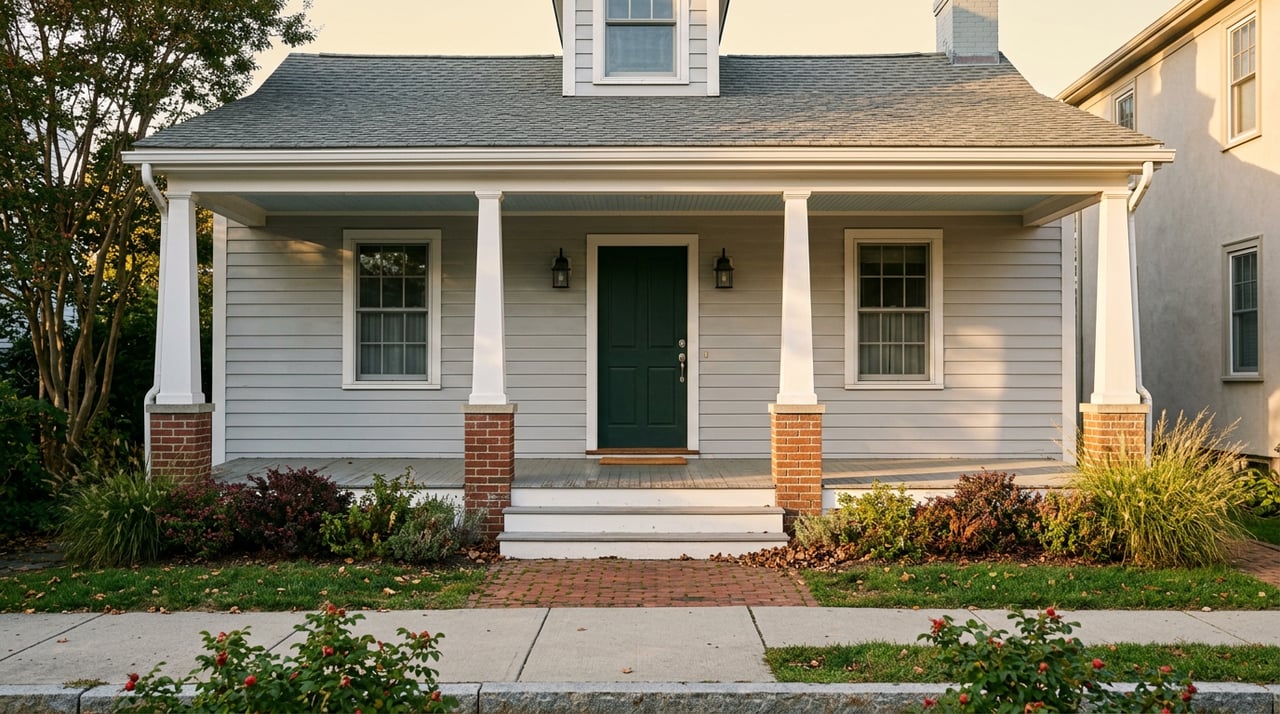
Housing in and around the center reflects that compact layout. A city planning summary describes the core study area as a diverse residential landscape with a large share of older housing stock, along with single-family and two-family homes off Campbell Avenue, Savin Avenue, and Washington Avenue, plus apartment buildings along Savin Avenue, Union Avenue, and Center Street. That mix can give buyers more than one path into the market.
Allingtown has a different rhythm from both downtown and the shoreline. The city’s Allingtown walking tour describes the area through a long historical arc, from Native and colonial settlement through farming, fishing, logging, manufacturing, and later educational growth.
In practical terms, Allingtown tends to read as a more layered, street-oriented area. The city highlights Boston Post Road, Campbell Avenue, and Forest Road as key historic corridors, which helps frame the neighborhood as one shaped by long-term development rather than a single district plan. If you are drawn to places with a more established feel and varied streetscapes, Allingtown is worth a closer look.
West Shore is the area most closely associated with the beach lifestyle people often picture when they think about West Haven. The city’s zoning regulations establish a Shoreline Design District running from Sandy Point Bird Sanctuary to the end of Beach Street and Washington Avenue, with the stated goal of protecting residential character, public views, shoreline access, and bike and pedestrian facilities.
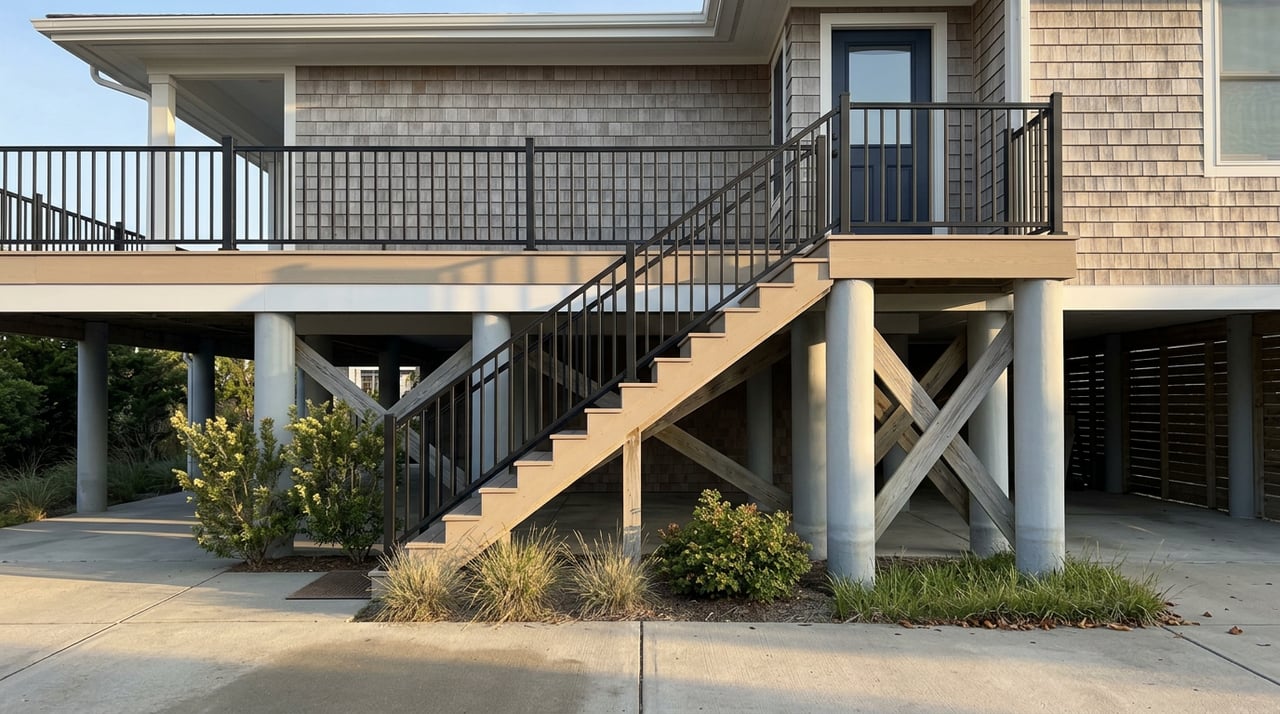
This area is not limited to one housing style. City planning materials describe older homes on Peck Avenue, residential blocks behind Beach Street, the Oceanside Condominiums at 343 Beach Street, and newer flood-resistant buildings. The city also notes that the former Savin Rock area was redeveloped into apartments, town houses, and commercial structures, creating a shoreline district with a mix of housing options rather than a single look or price point.
The shoreline is one of West Haven’s strongest lifestyle features, but each part of it offers something a little different. That is helpful if you are deciding whether you want quiet nature access, scenic views, or a more active waterfront setting.
Sandy Point is the more nature-focused stretch of the waterfront. The city identifies it as a beach and bird sanctuary, an Important Bird Area, and a stop on the Connecticut Coastal Birding Trail.
If your ideal shoreline experience is less about crowds and more about open space and habitat, this pocket may stand out. It gives West Haven a side that feels ecological and protected, not just recreational.
Bradley Point is known more for scenic, passive recreation. City materials describe it as a park area with views and picnic space, making it appealing if you value a simple waterfront setting for walks, sitting outside, or meeting friends and family near the water.
For many buyers, spots like this shape how a town feels on a normal weekday, not just on weekends. Access to shoreline parks can become part of your routine in a way that is hard to measure on paper but easy to appreciate once you live nearby.
Old Grove Park is the event-oriented green space along the shoreline. The city ties it to the Savin Rock festival tradition, which gives this area a stronger sense of gathering and public activity than some quieter shoreline stretches.
This part of West Haven also reflects the city’s ongoing evolution. Planning materials show a blend of residential and mixed-use redevelopment in the former Savin Rock area, which helps explain why this waterfront section feels active and varied.
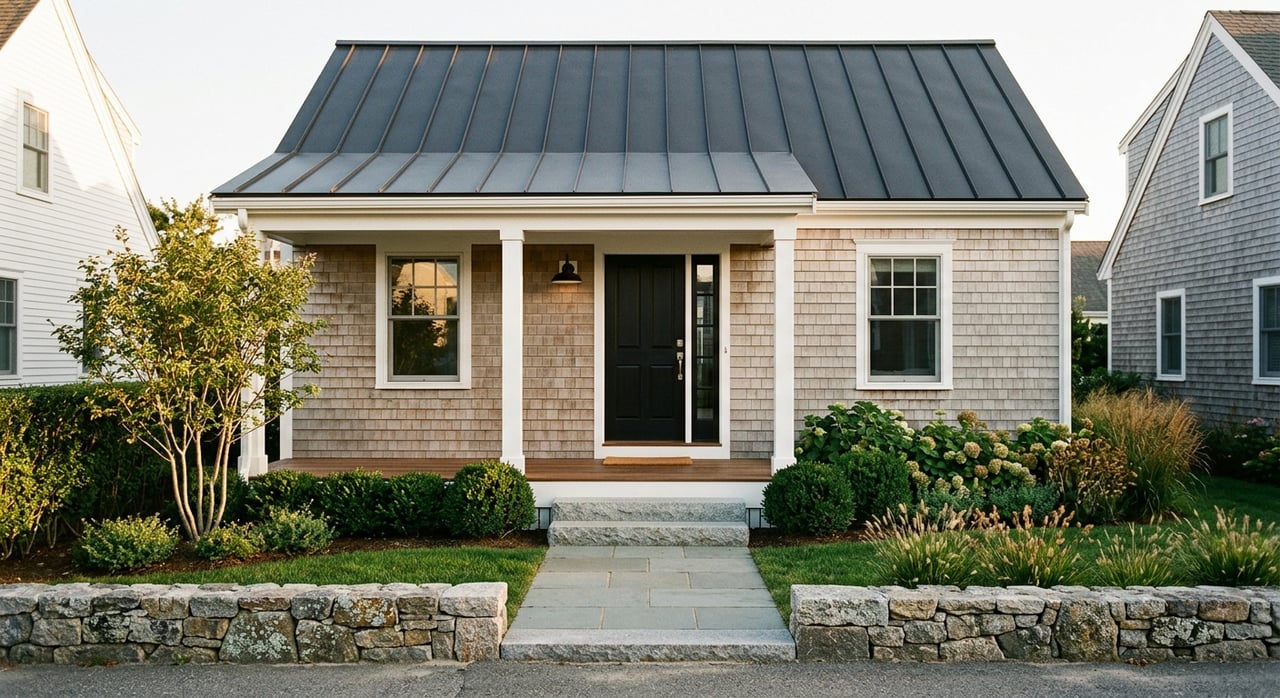
One of West Haven’s biggest strengths is range. Based on city planning and zoning documents, the housing stock includes:
That variety matters whether you are a first-time buyer, a move-up buyer, or someone looking for lower-maintenance living near the water. It also means your search should focus on the kind of setting you want first, then the property type that fits your budget and goals.
The city also notes that only 6% of West Haven’s housing stock was built in the last 25 years, compared with 11% in the South Central Connecticut region, according to a city planning summary. In simple terms, much of West Haven’s housing is older, which can influence style, lot layout, and renovation needs depending on where you look.
For many buyers, West Haven works because it combines shoreline living with commuting convenience. The city says the community has strong access to I-95 and U.S. Route 1, and that the West Haven Metro-North station is within walking distance of downtown.
That rail connection is especially relevant if you need access to Stamford, New York, or other points along the line. The city’s transit information notes a 658-space surface parking lot at the station, while the MTA station page confirms accessibility features such as elevators, a ramp, tactile warning strips, audiovisual information systems, ticket machines, restrooms, and CTtransit connections.
If you are balancing commute needs with a desire to live near the shore, that combination is a big part of West Haven’s appeal. You are not choosing between access and lifestyle as sharply as you might in some other markets.
It is also worth knowing that West Haven’s waterfront is an active improvement area, not a static one. The city highlights ongoing shoreline restoration work along the Savin Rock boardwalk, as well as Beach Street road-raising efforts designed to improve resiliency and pedestrian safety.
For buyers, that signals continued attention to access, upkeep, and long-term shoreline function. When you are evaluating a coastal area, public investment in infrastructure and public spaces can be an important part of the big picture.
If you are just starting your search, it may help to think less about strict boundaries and more about lifestyle fit. West Haven’s main areas tend to break down like this:
That kind of clarity can save you time. Instead of touring the whole city without a plan, you can focus on the areas that match how you actually want to live.
If you want help narrowing down West Haven neighborhoods, comparing shoreline versus inland options, or building a search around your commute and budget, The Hill Team is here to guide you with clear advice and local perspective.
Stay up to date on the latest real estate trends.


Choosing the right real estate team makes all the difference. We combine in-depth market knowledge, strategic marketing, skilled negotiation, and personalized service to ensure every client experiences a seamless and successful journey from consultation to closing. Your goals become our mission, and we work relentlessly to exceed expectations at every stage.